
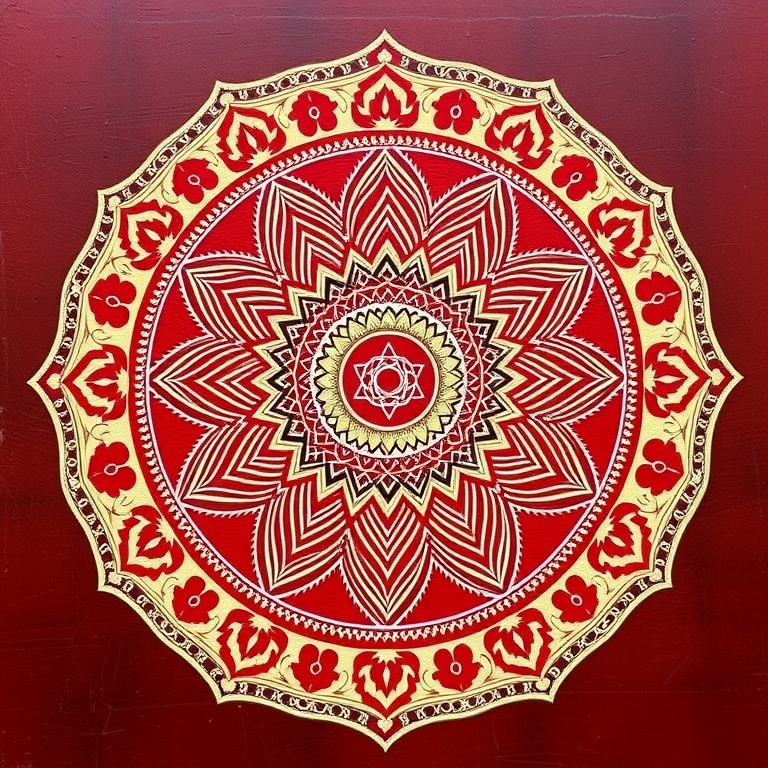
Muladhara, the root chakra, is the energetic foundation of the whole chakra system and relates to safety, stability, and your basic trust in life. When you support this chakra with sound, movement, breath, and simple daily rituals, you create a grounded base for spiritual growth and everyday wellbeing.
What is Muladhara Chakra
Located at the base of the spine (perineum/tailbone area), Muladhara means “root support.” It is linked with the earth element, the color red, instinctual needs (food, shelter, survival), and the legs, feet, lower spine, and pelvic floor.
A balanced root chakra brings stability, courage, and a quiet confidence in your right to exist and take up space.
Sounds, Frequencies and Mantras
The traditional bija mantra is “LAM,” often chanted on a long exhale while feeling vibration in the pelvic floor and tailbone.
Common sound correspondences include the musical note C and several grounding frequencies such as 194.18 Hz (Earth day tone), 256 Hz (note C), and 396 Hz, each used in sound healing for Muladhara.
Many root-chakra meditations use low, steady tones around these ranges (sometimes also 228 Hz) combined with slow breathing to invite a sense of safety and rootedness.
Simple sound practice: Sit comfortably, spine long, feet or sitting bones grounded. Inhale through the nose, exhale chanting “LAAAAAM” for as long as is comfortable, 9–27 times, sensing the vibration in the base of the spine.
Asanas and Everyday Practices
Standing and grounding poses are especially useful to awaken and stabilize Muladhara. Focus on feeling your connection to the floor rather than achieving deep flexibility.
Helpful asanas:
- Tadasana (Mountain Pose) – feet firm, legs active, attention on the soles of the feet.
- Malasana (Garland/Yogi Squat) – opens hips and pelvic floor while grounding you close to the earth.
- Virabhadrasana I (Warrior I) – builds strength in legs, hips, and core, supporting inner courage.
- Balasana (Child’s Pose) – calms the nervous system and offers a sense of refuge.
- Seated forward folds and supported restorative poses for legs, hips, and lower back to relax deep tension.
How to use it in daily life:
- Walk barefoot on natural ground, feeling each step as if you are plugging into the earth.
- Create simple routines around sleep, meals, and money management to signal safety to your nervous system.
- Use grounding touch: hands on lower belly or over the sacrum, breathing slowly into that area for a few minutes.
- Choose nourishing, warm, and wholesome food, especially when feeling spaced out or anxious.
Qualities, Imbalance Signs and Affirmations
When Muladhara is balanced, you feel present in your body and able to meet life practically. When it is underactive or overactive, the body and mind show clear signals.
Balanced root chakra:
- Feeling safe, supported, and “at home” in your body and in the world.
- Steady energy, good basic health in legs, feet, and lower back, realistic relationship with money and work.
Underative / blocked signs:
- Anxiety, fear about survival (money, home, work), feeling disconnected or “floaty.”
- Chronic stress, fatigue, digestive issues, lower back pain, or problems in legs, feet, or hips.
Overactive signs:
- Restlessness, rigidity, or controlling behavior; obsession with security and material possessions.
- Hoarding, excessive focus on money, anger or aggression when routines are disturbed.
Affirmations for Muladhara:
- “I am safe and supported.”
- “I am grounded and stable.”
- “I have everything I need in this moment.”
- “I belong here; the earth holds me.”
- “I trust the process of life.”
Repeat these slowly while breathing into the pelvis and legs, or while walking or holding a grounding pose.
Simple Daily Root Chakra Ritual
Use or adapt this as a 10–20 minute everyday practice to support Muladhara:
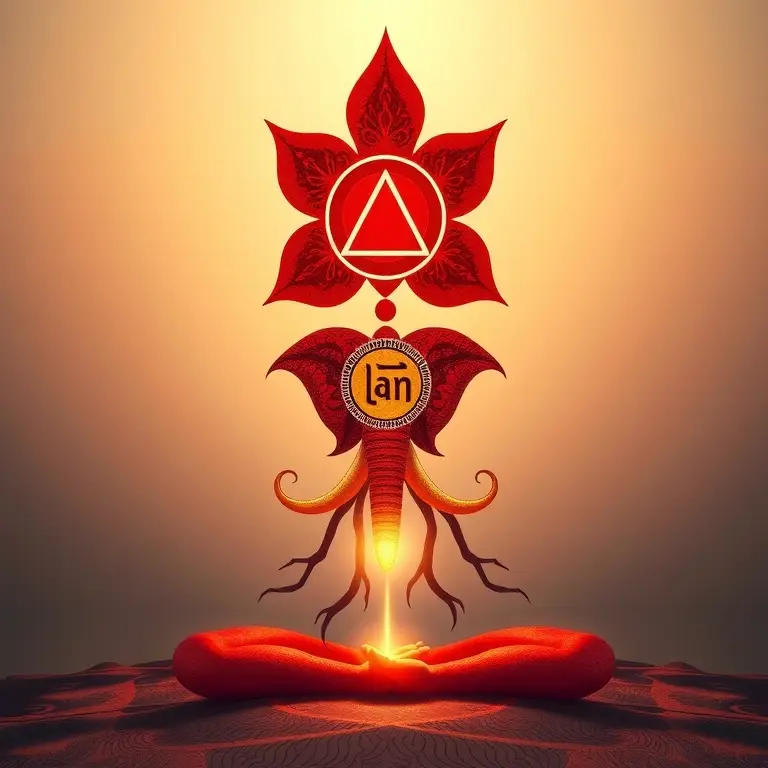
Arrive and breathe (2–3 minutes)
Sit or stand with feet firmly on the floor. Inhale for 4 counts, exhale for 6–8 counts, feeling the breath travel down into the pelvis and legs.
Grounding movement (5–10 minutes)
Practice Tadasana, Warrior I, and Malasana or Child’s Pose, holding each for 5–10 breaths with attention on the contact points with earth. Move slowly, imagining roots growing from your feet or base of the spine into the ground.
Sound and affirmation (3–5 minutes)
Chant “LAM” several times, noticing the vibration at the base of the spine. Follow with 3–5 affirmations that resonate, spoken out loud or silently, feeling each word in your body.
Integration into life
Choose one grounded action for the day: cooking a simple meal, organizing your finances, cleaning one corner of your home, or taking a mindful walk. While doing it, keep attention on your breath and the sensations in your feet and legs.
Used consistently, these small, embodied rituals help the root chakra feel nourished rather than neglected, giving a strong base for the rest of your spiritual and everyday practices.


0 Comments