
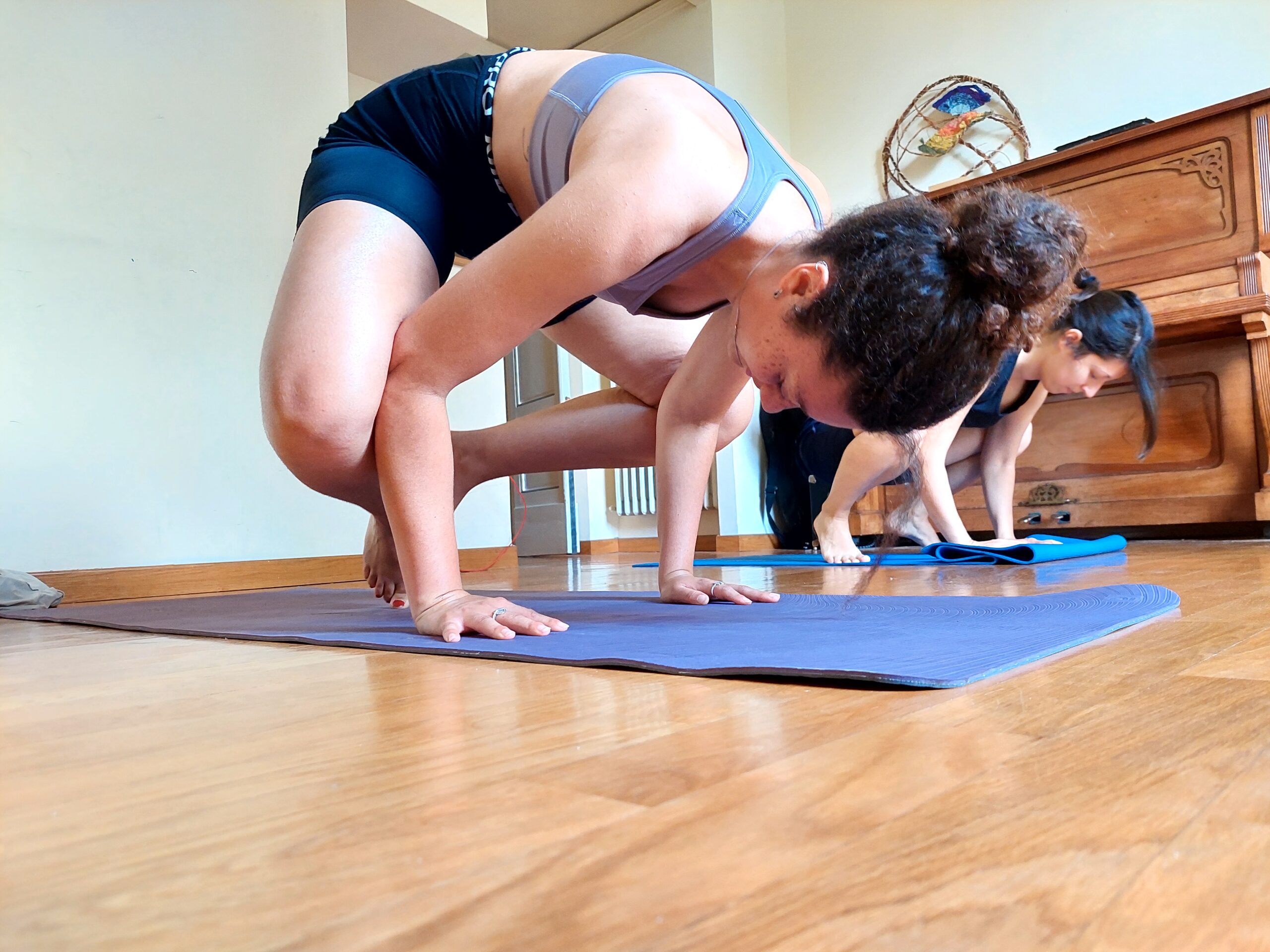
We’ve all been there. Rain pours outside, the sky is dark and gray, and your couch seems infinitely more inviting than your yoga mat. Your motivation drops, and you convince yourself that skipping your yoga practice today is justified. But here’s the truth: rainy days and lack of motivation are precisely when you need yoga the most.
The Science Behind Mood and Movement
Research from the Harvard Medical School shows that physical activity increases the production of endorphins—your brain’s natural mood elevators. When weather conditions are poor, our serotonin levels naturally decline due to reduced sunlight exposure. This creates a double impact: bad weather makes you feel worse, while skipping exercise worsens that effect. A study in JAMA Psychiatry found that regular yoga practice reduces anxiety and depression by up to 40%.
Why Bad Weather Days Demand Your Practice
Mondays, rainy mornings, and low-motivation days are when your nervous system needs yoga most. These are the times when stress accumulates, negativity creeps in, and your body becomes tense. Indoor yoga practice during bad weather:
- Regulates the nervous system through controlled breathing (pranayama) and movement, reducing cortisol levels
- Boosts mental clarity and emotional resilience
- Builds stronger discipline and commitment to your practice
- Creates consistent yoga habits independent of external conditions
- Improves sleep quality—especially important on gloomy days
The Hidden Benefits of “Don’t Feel Like It” Days
According to sports psychology research, the yoga sessions you complete when motivation is lowest create the most significant psychological wins. This builds what experts call “implementation intention”—the ability to follow through despite obstacles. Each time you unroll your mat on a rainy day, you strengthen your commitment to wellness and train your mind to prioritize self-care over comfort.
Physical Benefits Beyond Weather
Indoor yoga practice on bad weather days means:
- Reduced risk of injury from slippery outdoor surfaces
- Access to gentle, restorative sequences that address seasonal mood changes
- Enhanced focus without weather distractions
- Perfect conditions for deeper breathing and meditation practices
Making It Happen: Your Rainy Day Yoga Ritual

There’s no need for intense workouts during bad weather. Instead, focus on gentle yoga flows that ground you: forward folds to calm your nervous system, restorative poses to build peace, and pranayama breathing to elevate your mood naturally.
Even 15 minutes of intentional yoga practice on a rainy day delivers more benefits than missing your entire routine.
The Real Challenge Isn’t Weather—It’s Mindset!
When you show up for your yoga practice during bad weather and low motivation, you’re not just exercising your body. You’re proving to yourself that your wellness commitment isn’t conditional. You’re building resilience, self-trust, and the unshakeable foundation that makes long-term yoga practice transformative.
Remember: the rainy days, the gray mornings, the days when you “don’t feel like it”—these aren’t obstacles to your yoga practice. They’re your greatest opportunities to deepen it.
Your practice isn’t meant to depend on perfect conditions. It’s meant to deepen your connection to yourself, rain or shine.
I look forward to welcoming you at Yogasole Studio, even in the rain and storms!
P.S. Remember, you can always book an online session. Aroonji



0 Comments